

While we were sitting on a patio in Amsterdam, enjoying a beer near the end of our holiday, Cameron shared a picture with the rest of us showing the most popular foods in the Netherlands. Interesting! I started going through the list to see what I — or all of us — had eaten during our trip, and it turns out we had tried a lot. When you are on holiday, the sights are important, but so are the food and drinks, and we certainly enjoyed many lekker Dutch treats on our trip!

1. Stroopwafel – many! We got a package of really good ones from my cousin Jan and Monique. I did not have a fresh one from a street vendor, but I know some of the kids did in Amsterdam. I bought 3 packages of freshly made ones from the Albert Cuyp Market to take home. Only 3 this trip – one year I filled my backpack with about 20 packages! They made great gifts when I came back to Canada. Tip – place the stroopwafel on top of your hot coffee or tea to warm it up – the carmel inside gets a bit gooey and yummy!
A stroopwafel is a thin, round biscuit made from two layers of sweet baked dough held together by a treacle/syrup filling, often caramel. First made in the city of Gouda in South Holland, stroopwafels are a well-known Dutch treat popular throughout the Netherlands
2. Haring – Cameron got a herring on a bun at the Albert Cuyp Market in Amsterdam. I have never had it. I think it is glibberig.

Traditional Dutch herring (Hollandse Nieuwe or maatjes) is a beloved national delicacy. It is a young, raw herring lightly cured in salt and enzymes for a few days to yield a tender texture and mild, buttery flavor. It is typically sold at local street stalls (visboer) for about €4 to €7, often served with chopped raw onions and pickles.
3. Erwtensoep – Dutch Split Pea Soup. We didn’t have any on our trip – if it was winter we would have. I make a great Dutch split pea soup – Bart’s mom’s recipe. I add a ham hock to mine which gives it the great flavour, and after it is cooked you pull off all the meat and put it into the soup. Some will make it with bacon, or smoked sausage.
Erwtensoep (also called&nb sp;snert) is the Dutch version of pea soup. It is a thick stew of green split peas, different cuts of pork, celeriac or stalk celery, onions, leeks, carrots, and often potato. Slices of rookworst (smoked sausage) are added before serving. The soup, which is traditionally eaten during the winter, is emblematic of Dutch cuisine.
4. Kroket – many! many Kroket sandwiches were eaten by all of us.
Kroket is a modern Dutch counterpart to the classic French croquettes, consisting of ingredients such as meat, seafood, cheese, and gravy that are refrigerated, rolled into logs, breaded and deep-fried until they develop a golden-brown color. The most typical Dutch kroket is made with meat ragout covered in breadcrumbs. The oldest recipe for the Dutch kroket is believed to date back to 1830, and since then, it has appeared in numerous Dutch cookbooks. Originally, kroket was served as a side dish, but after World War II, it quickly became a popular snack item.
5. Kibbeling – Bart and I had it twice. The last was at the Albert Cuyp Market in Amsterdam and it was so good.
Kibbeling is a classic Dutch snack of bite-sized, batterered, and deep-fried white fish (Usually cod). It is served piping hot and crispy, typically paired with a rich garlic or remoulade dipping sauce. The absolute best way to enjoy it is fresh from a local street vendor or fishmonger (vishandel).
6. Poffertjes – nope…..didn’t see them, otherwise maybe would have got some. I don’t often go for the sweet so don’t think about it. I know we had them in 2023 when we were in Delft, Netherlands.
Poffertjes are traditional mini pancakes. Made with a yeasted batter and often a blend of buckwheat and wheat flour, they puff up into light, spongy bites. They are traditionally served warm, topped with a melting pat of butter and a generous dusting of powdered sugar. Sometimes they are served with syrup or Advocaat. Oh Advocaat – I am surprised that is not on this list, although probably becuase it is a drink! It is a traditional Dutch alcoholic beverage made from eggs, sugar and brandy!
7. Bitterballen – lol….of course!!! many!! Who doesn’t like bitterballen with Dutch mustard!! We ate a lot of bitterballen when we were there. The best ones were when we were cycling. We stopped at Levels restaurant in Harlingen, and they were really good! Bigger than others we have had in the pubs/restaurants and much better – they must be homemade. I asked the young guy serving us if they were homemade, and he said oh no no.

The last day when we were in Amsterdam when we were going throught this list of food, I mentiond to the kids how Dad and I had the best Bitterballen in Harlingen from the whole 2 1/2 weeks.
I was curious now a month later as I am writing this blog, and checked up their menu. Look what I found on the menu – on the bottom right in the blue box…..”Onze rundvlees bitterballan worden nog met……” Wow – I was right.

I translated to English…..and look what it says:

Uncle Ed sure knows how to make a lekker bitterballen!! But the guy serving us at the restaurant sure didn’t know the origin of their bitterballen.
We have been making our own bitterballen at home – we make a huge batch so we can freeze them and always have them on hand. That is why I questioned him….as that bitterballen tasted more like the ones that we made – more beef and less roux.
Bitterballen are a Dutch meat-based snack, made by making a very thick stew thickened with roux and beef stock and loaded with meat, refrigerating the stew until it firms, and then rolling the thick mixture into balls which then get breaded and fried.
8. Frits met mayonaise – yes! every meal we ordered came with fries and mayonaise. We purchase Fritesssaus in our local Dutch store here in Hamilton – The Dutch Shop. I also get Curry Ketchup here and I like to mix the 2 together and then eat them with home-made frenchfries/potatoes. If any of the food on this list of 25 interests you, head on over to Upper James in Hamilton, or your local Dutch shop, and you should be able to find most of these things, or the ingredients to make them.
Friet met mayonaise (the Dutch term for “fries with mayonnaise” is a beloved staple snack in the Netherlands and Belgium. Often ordered as simply a “patatje met,” the Dutch variant of this sauce is distinctly different from traditional American mayo.
9. Stampot – we didn’t have any while we were away, but maybe if was winter we would have. Stampot is a favorite meal of our boys and the girlfriends; so much that a few times they have asked for it for a birthday meal. I remember once when Bart and I ate it on a Sunday, Bart’s mom thought that was strange. I understand why she thought that – in the Netherlands, especially for older generations, stampot was considered an inexpensive every day meal, something you eat on a cold weekday, and something filling, practical and economical. Sunday dinner would be more special and you would eat maybe roast beef, chiken or soup. So in reference, it would be like serving macaroni and cheese for Christmas dinner. lol. We will continue to eat it any day of the week, as we love it!!! There are many ways you can make it – sauerkraut, endive, spinach, kale, turnip greens, carrot and onion. My favorite is kale and Bart’s is saurkraut, but all of us love them all.
Stamppot is a traditional Dutch dish made from a combination of potatoes mashed with one or several vegetables and typically garnished with sausages
10. Oude Kaas – Oude kaas (old cheese) is everywhere in the Netherlands, and we ate a lot of it!
The longer the cheese is aged, the firmer it becomes and the richer, nuttier, and more intense the flavour. We enjoyed it for breakfast, on toast and eggs, with crackers, and just sliced as a snack. If you are a cheese lover, be sure to visit one of the many cheese shops – you will find dozens of varieties and plenty of free samples to taste before you buy.
We found many Henri Willig shops in Amsterdam on this trip, but in 2023 I also visited one of their farms, making it a fun way to see how Dutch cheese is made while enjoying plenty of free samples!

11. Saucijzenbroodje – I didn’t but any in Netherlands, but this is one of my weakenesses (when I go to Sweet Paradise in Hamilton). Some of the boys got them as street food from the hot vending machines. Brent had one in Groningen from a street vending machine, near the entertainment district (after a night of drinking, the young people all hit the hot vending machines! – good food to soak up all the alcohol I think!)
12. Appelflap – Bart and I did have apple pie/tart a few times with coffee on a patio in the morning. So all kind of in the same category – apple, cinnamon, raisons, yummy!
An appelflap is a traditional Dutch pastry made of puff pastry folded into a triangle and filled with apples, raisins, cinnamon, and sugar, topped with crunchy sugar granules. They are available year-round in bakeries and cafes across the Netherlands.
13. Woorstenbroodje – My cousin Roanne made weiners from a can, served on small buns. I would think it is kind of like this. Although when I look it up it sounds more like the sausage rolls….but a bit different.
Brabantian worstenbrood is a typical savoury pastry snack from the Dutch province of North-Brabant. The loaf is about six inches long and is filled with a minced beef sausage. In contrast to the “saucijzenbrood”, the Brabantian worstenbrood is not made from puff pastry, but made from soft white bread dough.
14. Bami Hap – wow…one that I actually have never heard of before. But it sure sounds good. I love Nasi and Bami goreng so I know I would love this!

A bamihap (short for bamihapje) or bamischijf is a popular Dutch deep-fried snack with Indosian origins. It consists of a thick patty of savory, spiced bami goreng (stir-fried noodles) that is coated in breadcrumbs and deep-fried until golden and crispy.
15. Tompouce – traditional cake. I did not have it but had something very similer in Borger at my cousin’s bakery/cafe.
A tompoes or tompouce is a pastry in the Netherlands and Belgium. It closely resembles the Australian vanilla slice and German Cremeschnitte, and more distantly the mille-feuille, or Napoleon.

16. Hagelslag – oh yes, on our toast and with pintakaas (peanut butter) is the best.
Hagelslag are small, oblong, sweet chocolate sprinkles traditionlly eaten on buttered bread for breakfast or lunch in Netherlands. The iconic topping comes in milk, dark, and white chocolate varieties, and is often paired with toasted or fresh white bread

17. Spekkoek – I have never heard of this as a Dutch cake. But I make a Ukrainian honey cake and it looks just like this – 8 layers of honey cake, with custard in-between each. Probably much the same. I will have to look up a recipe for Spekkoek and make it.
Lapis legit, also known as spekkoek, is a type of Indonesian layer cake, consisting of cream coloured plain/vanilla layers adn brown spided layers. It was developed during colonial times in the Dutch East Indies. The firm-textured cake is a Dutch-Indonesian version of kue lapis, the multi-layered steamed rice cake common in Southeast Asia, but using Dutch ingredients like flour and butter.
18. Patat Ooorlog – another I haven’t heard of before. But it kind of looks like our Canadian Poutine loaded!
Patatje oorlog (literally “war fries” in Dutch) is a popular Dutch street food classic. It consists of crispy fries topped with a “battleground” of condiments: Indonesian-style peanut satay sauce, creamy mayonnaise, and finely chopped raw onions.

19. Gestoovde Vis – I have never heard of this, but it looks like it is a Durch Caribbean recipe!

20. Rookworst – This is what I grew up eating with our Stampot (potatoes and kale mashed together). We did buy sausage in Netherlands that we had for breakfast, snacks. Almost every Dutch city and province has its own signature sausage or regional meat delicacy. Because historical spice trading and local preservation methods varied greatly, regional Dutch butchers have proudly maintained unique recipes that you won’t find anywhere else in the country. We tried lots of them on our holiday!
Rookworst or Gelderse rookworst is a type of Dutch sausage in which ground meat is mixed with spices and salt and stuffed into a casing. Having the shape of a ring bologna, it is common in the Netherlands and is also exported to Great Britain. The basis for Gelderse rookworst is metworst, or lean pork.
21. Droppies – I probably eat 4 pounds annually too! I LOVE them all! I had them in my bag our entire trip and ate lots!!
In the Netherlands, “droppies” (officially called drop or dropjes) arebeloved traditional Dutch black licorice candies infused with anise and ammonium chloride (salmiak). Ranging from sweet to extremely salty, they are a staple of Dutch culture, with locals consuming about four pounds per person annually.
22. Gehaktbal – Dutch meatballs. Comfort food!! I love making them and having them with mashed potatoes. We didn’t have any on our trip, as it is more of winter food. I remember my mother making big gehaktbals, fried and then she would make gravy and serve with potatoes and vegetable. I would mix it all together – yum!
Gehaktballen are large Dutch meatballs which are seared and then slowly cooked in their own juices. They’re the epitome of comfort food and super easy to make!
23. Goudse Waag – Cheese! More Cheese!

Cheesemaking has been part of Dutch life for more than 800 years, with farmers producing cheese as a way to preserve milk and trade with nearby towns. By the Middle Ages, Dutch cheese markets in places like Gouda, Edam, and Alkmaar had become famous throughout Europe. Today, the Netherlands is one of the world’s largest cheese exporters, and Dutch cheese remains a proud symbol of the country’s agricultural heritage.
24. Snert – Dutch Pea Soup – very similar to the Erwtensoep that I talked about earlier. Every part of Netherlands has it, but there are different variations of it – split peas simmered with ham hock, or bacon or sausage and vegetables. If you are intersted in my recipe – message me! altenason@gmail.com
25. Ontbijtkoek – a nice Dutch spiced cake!! Growing up we just called it koek (or cake) but my mother made a Dutch spiced cake. I have learned that in Netherlands, just like the sausage, every City or province/area also has their own version of koek that they make.
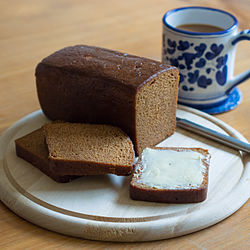
An ontbijtkoek, peperkoek or kruidkoek is a Dutch and Flemish spiced cake. Rye and dark brown basterdsuiker are its most important ingredient, coloring the cake light brown. It is often spiced with cloves, cinnamon, ginger, succade and nutmeg.
Looking back, I think we did a pretty good job of eating our way through the Netherlands! From cheese and stroopwafels to bitterballen, and more bitterballen, and kroket sandwiches, and mustard soup (I can’t believe that one didn’t make this list), to fish and herring, droppies, and so many other Dutch favourites, every meal was part of the adventure.
If you have any questions about any of the foods we tried, feel free to ask – I would be happy to share more or share my family recipes. And if you have never tasted Dutch food, visit your local Dutch store or, even better, plan a trip to the Netherlands. I think you’ll discover just how lekker Dutch food really is!


Leave a Reply